sound advice
pexels-scott-webb-28080.jpg

sounds

What STC Ratings Really Tell You (and What They Don't)

Sound Transmission Class (STC) is a number that architects, developers, and building owners use to predict whether a wall or floor will keep noise contained. While STC is a helpful shorthand, it is easy to misinterpret. Many complaints about walls "not working" stem from misunderstanding what the rating guarantees, and not from a faulty product.

Read More


Vibration Challenges in Buildings: Evaluation, Testing, and Solutions

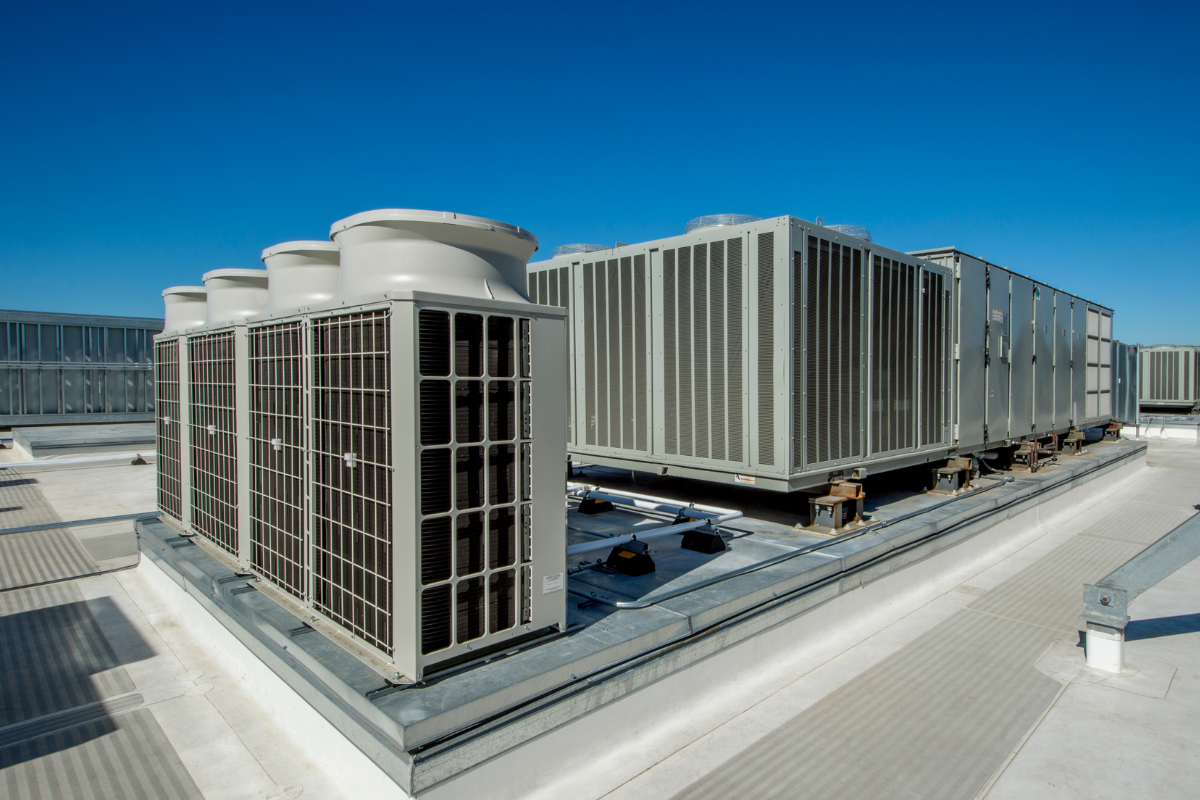
Structural vibration and vibration-induced noise are common challenges in modern building design and construction. These vibrations can come from everyday building systems—such as HVAC units, pumps, and other rotating machinery. They can also come from outdoor sources like nearby trains or heavy vehicles. But often, structural vibrations come from occupants themselves, in the form of footsteps and movement. While often unnoticed, they can manifest as subtle hums, stronger resonances, or even minor movements that impact how a building feels and functions.

Read More
Acoustics and the Performing Arts

Designing a performance venue for its intended programming is vital for the success of that venue. Whether an auditorium is to be used primarily for orchestral performances, amplified concerts, or everything in between, it is important that the acoustical design accommodates the intended uses. Amplified rock or jazz concerts performing in a venue built for only orchestral performances can be loud and uncomfortable. The opposite occurs when an orchestra performs in a venue built for amplified concerts.

Read More